Tag: travel-tips

  • Why my first all-inclusive trip was my last

    Why my first all-inclusive trip was my last

    Two months ago I booked my first all-inclusive. My boyfriend and I decided for our anniversary we wanted something romantic, relaxing and totally stress-free—so we booked an all-inclusive resort in Playa del Carmen, Mexico. With one click, everything was handled: flights, airport transfers, meals, activities, even the drinks. I thought I had cracked the code to the easiest vacation ever.

    And in many ways, I had.

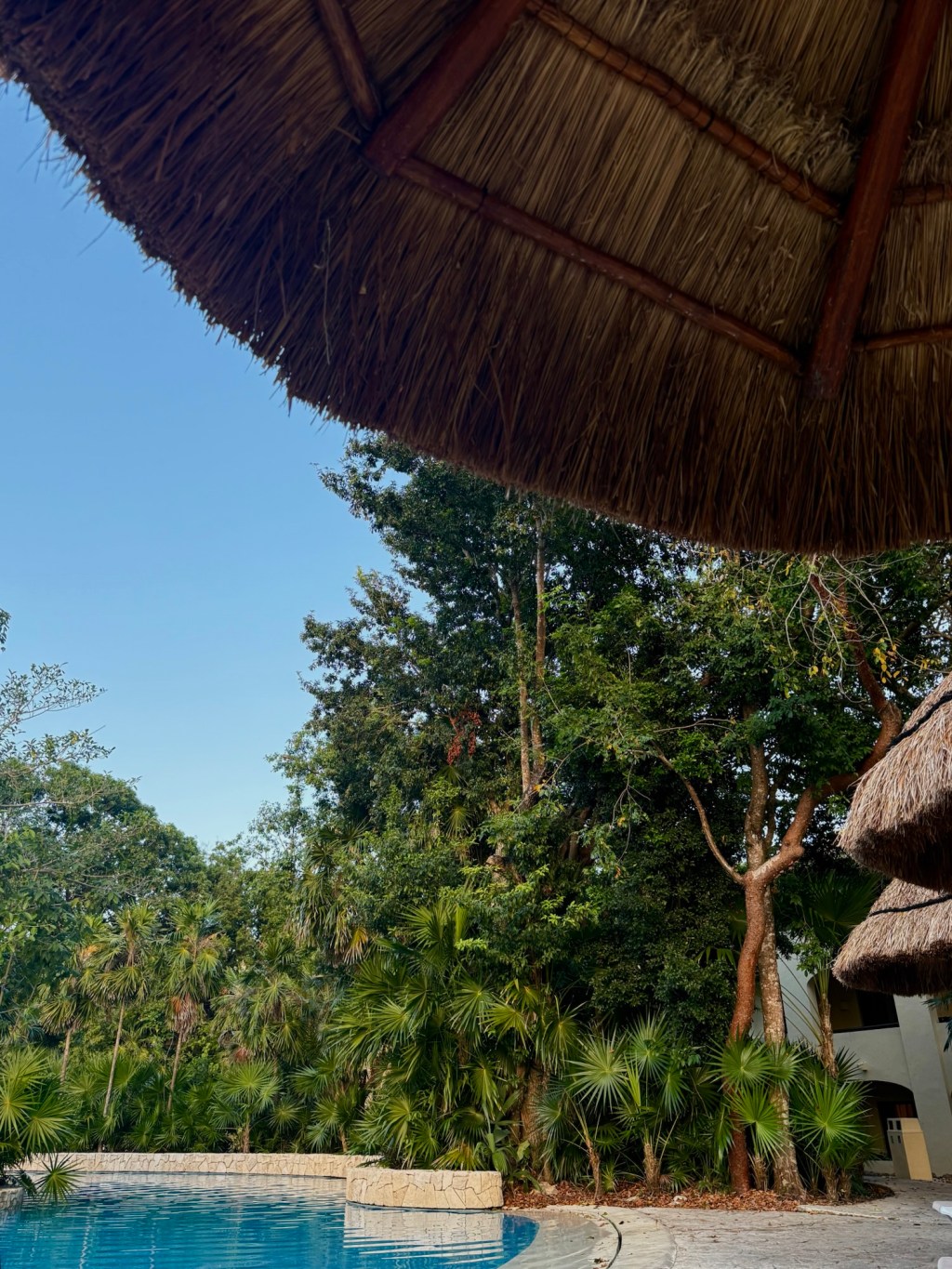
    We arrived to sweeping ocean views, a sprawling resort with palm-lined pools and a gorgeous suite that looked like something off a travel magazine cover. It was, in a word, stunning. The sunsets were unreal, the beach was pristine and we genuinely had a great time together. But by the end of the trip, something didn’t quite sit right—and it wasn’t the margaritas.
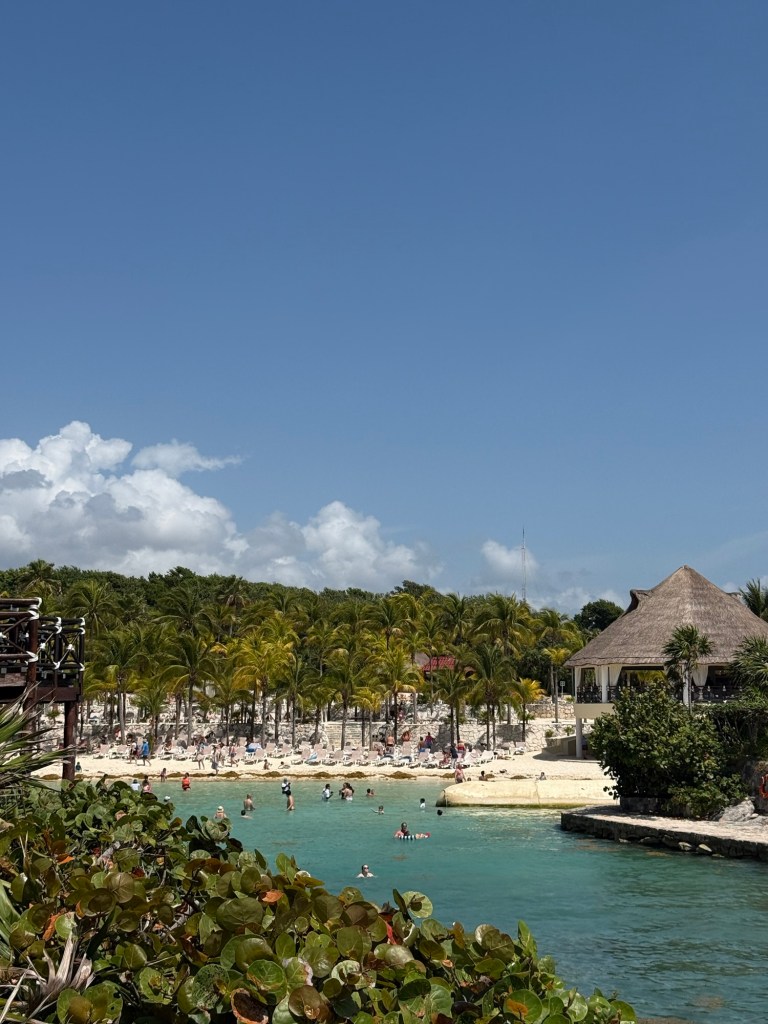
    Resort we stayed at

    A Taste of What Was Missing

    Here’s what surprised me most: the food. With multiple on-site restaurants, we expected variety and quality, but most meals were just… fine. The flavors felt muted, like they were trying to appeal to everyone and ended up exciting no one. We found ourselves joking that every meal somehow tasted the same.

    Worse? We never left the resort.

    At first, that felt like a perk. The property was massive and full of amenities—there was technically no need to go anywhere. But by day four, I realized we hadn’t actually seen Playa del Carmen. No local food stands. No day trips. No chance encounters or stories from strangers. We were in Mexico… but also kind of in a bubble.

    What I Wanted Instead

    I missed the sense of place that travel usually brings. I wanted to walk cobblestone streets, try tacos from a food truck, talk to someone who actually lives there. I wanted moments that weren’t on an itinerary or built into a resort package.

    I didn’t want more convenience—I wanted more connection.

    And that’s when it hit me: I’m not an all-inclusive traveler. I’m a bespoke traveler.

    Resort we stayed at

    What I Do Differently Now

    Since that trip, I’ve shifted how I travel. I now seek out personalized experiences—local guides, intimate dinners, boutique stays that reflect the destination. I plan slower, with more intention, and I never regret spending extra time (or money) to create a trip that actually feels like mine.

    When I think about my favorite travel memories, they’re never the pre-scheduled group tours or the buffet lines. They’re the quiet dinners cooked by a local chef in Costa Rica, or the unplanned moments on a tucked-away street in Barcelona. That’s the kind of travel that stays with you.

    Final Takeaway

    If you love all-inclusives, I get it. There’s a time and place for easy escapes. But for me, that Playa del Carmen trip taught me something important: beautiful views and a big resort can only take you so far. The real magic of travel happens outside the walls of a resort—when you connect, explore, and let the unexpected in.

    So yes, my first all-inclusive trip was also my last. And I wouldn’t change a thing—because it led me straight to bespoke travel, and I’ve never looked back.

    With love, Ava

  • What Travel Trends and Infographics Reveal About Summer in Europe

    What Travel Trends and Infographics Reveal About Summer in Europe

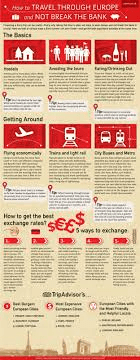
    Infographic 1: How to Travel Through Europe and Not Break the Bank

    Nyssa P. Chopra https://thecultureur.com/infographic-how-to-travel-through-europe-and-not-break-the-bank/

    This first infographic is all about practical, money-saving tips that still leave room for amazing experiences. It’s perfect for anyone planning a longer trip or navigating Europe on a tighter budget.

    Key Tips & Takeaways:

    • Hostels still hold value – They’re not just about saving money; they offer community and local insight, especially in major cities.
    • Avoid overpaying for tours – Instead of big-group experiences, opt for walking tours, self-guided itineraries, or local-run excursions that feel more personal.
    • Smart eating = big savings – Choosing lunch over dinner for dining out or shopping at markets can cut costs without sacrificing taste.
    • Transportation matters – Trains and public transit offer efficient ways to move between cities, while flying can still be economical if booked early.
    • Currency exchanges are tricky – Use banks or ATMs in your destination country rather than converting cash at the airport to get better rates.

    My bespoke twist: Many of these tips also apply to customized travel. You don’t need a five-star hotel or a private jet to feel intentional. Even budget travel can be bespoke when it’s shaped around your interests—whether it’s art, food, surf, or hidden gems off the tourist trail.

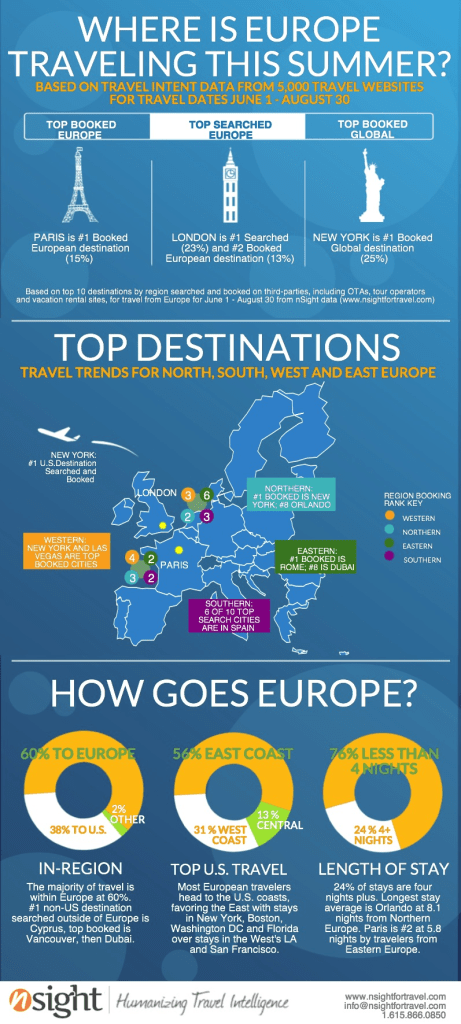
    Infographic 2: Where Is Europe Traveling This Summer?

    Source: nSight™ Travel Intelligence

    This infographic offers a broader perspective: where travelers in Europe are going, how long they’re staying and what cities are capturing global attention.

    Key Trends & Insights:

    • Paris is the most booked European destination (15%)
    • London is the most searched (23%) and second most booked
    • New York tops the global bookings chart—showing how strong U.S. appeal still is for Europeans

    Booking & Search Patterns by Region:

    • Northern Europe tends to book U.S. destinations like New York
    • Southern Europe is highly focused on Spain (6 of the top 10 searches!)
    • Eastern Europe sees Rome and Dubai leading bookings
    • Western Europe travelers also favor U.S. cities like Vegas and NYC

    Short Trips, Strong Intent:

    • 60% of trips remain within Europe
    • 76% of trips are under four nights—showing the rise of the “mini-break”
    • Most U.S. travel is to the East Coast, including NYC, Boston, and Washington, D.C.

    Why it matters: These stats are a great reminder that short trips can still be powerful. Bespoke travel doesn’t require weeks—it requires intention. If you only have 72 hours in a city, make them unforgettable with personalized activities, like a private cooking class, a locally led walking tour or a custom-curated stay.


    The Big Picture: Use the Data, Then Make It Yours

    These two infographics tell us something powerful when viewed together: you don’t have to spend a fortune or follow the crowd to have a meaningful experience. Whether you’re saving on public transit or searching beyond the most booked cities, there’s room to make your travels personal.

    Bespoke travel is about carving out moments that reflect you—not your itinerary, not the algorithm, and not what everyone else is doing.

    So take the tips, look at the trends—but then, make your trip your own.

    With love, Ava

  • How to Plan a Bespoke Trip Without a Travel Agent

    How to Plan a Bespoke Trip Without a Travel Agent

    Because you know yourself better than anyone else.

    Planning a trip is hard. It takes time and commitment. While this is not the only way to plan a bespoke trip, I want to give some insight into what I have done to plan trips.

    1. Start with a Feeling, Not a Destination

    Instead of asking where, ask what you want to feel. Do you crave stillness or stimulation? Seaside breezes or mountain air? Gourmet indulgence or creative inspiration? Let the emotion guide your destination.

    Example: Instead of saying “I want to go to Italy,” say “I want to spend slow mornings surrounded by olive groves.” That might lead you to a private villa in Tuscany instead of Rome.

    2. Research Research Research

    This is THE most important step of your travel itinerary. It is important to start planning your trip 6 months to a year out. Every time my family has traveled, we have booked the villas 6-7 months before our departure. It takes time to research each house, restaurant and activity. The best method for research is truly social media. Looking at blogs such as mine, TikTok videos and Pinterest boards will help make your dream become reality. It takes a long time to research the hole-in-the-wall restaurants or find the villa perfect for you.

    3. Book Experiences First, Then Housing

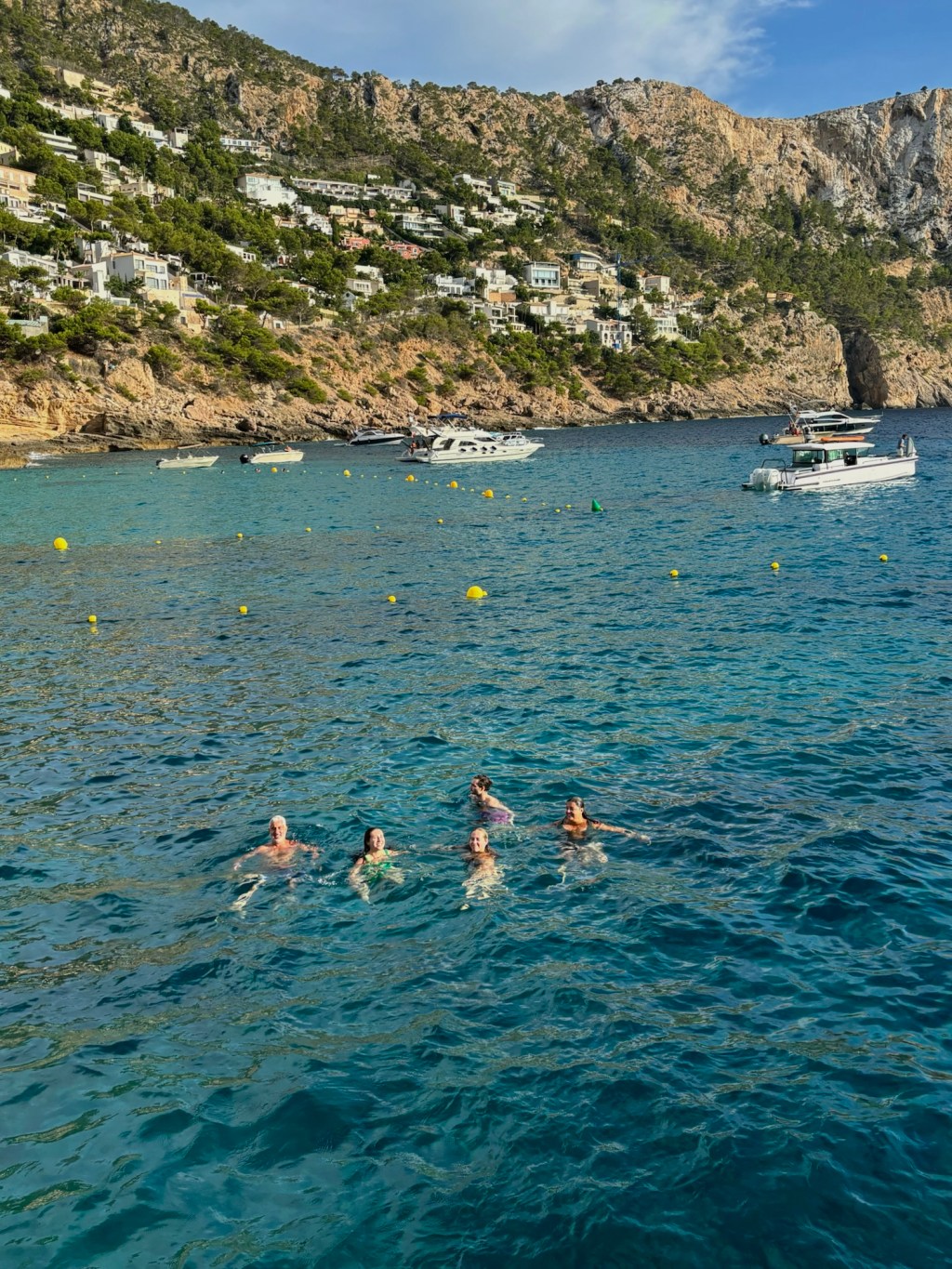
    Start with what you want to do, then find a stay nearby that enhances it. Let the experience anchor your trip. Make sure you don’t spend half of the day in the car driving from place to place. When traveling to Mallorca this past summer, we booked a winery tour and beach club that was super important to my family. We did this step first before booking our villa.

    I have only used Airbnb, but sites such as Withlocals and GetYourGuide are great for initial browsing as well. But, don’t stop there—many bespoke vendors operate off-platform.

    Villa I stayed at in Mallorca, August 2024

    4. Build in Spontaneity and Splurge Strategically

    The beauty of planning your own trip? Freedom. Leave a few afternoons or full days open for whatever catches your eye—a local festival, a hidden beach or that tiny café you pass in the morning. Being stuck on an hour-by-hour itinerary leaves no room for spur of the moment experiences. And remember, You don’t need a limitless budget to create a bespoke experience. Choose 1–2 luxury moments—like a private catamaran tour or a Michelin-starred dinner—and balance the rest with charming but cost-effective options.

    5. Enjoy your trip!!

    With love, Ava

  • Beyond the Guidebook: How Black Tomato Redefines Bespoke Travel

    Beyond the Guidebook: How Black Tomato Redefines Bespoke Travel

     Black Tomato is a luxury travel company that proves that intentional, responsible travel can go hand in hand with high-end experiences. As Black Tomato puts it, they strive for “travel experiences that will leave a lasting, positive impact on our planet and the communities who call it home,” a core belief since their founding in 2005. The company integrates corporate social responsibility (CSR) into every aspect of its operations – from sustainability and ethical labor to community engagement and philanthropy.

    Sustainability

    Environmental stewardship is central to Black Tomato’s identity. The company calculates its carbon footprint and invests in high-quality carbon offset projects each year. Black Tomato balances 110% of its corporate travel emissions, going beyond carbon-neutral. These offsets fund eco-friendly initiatives worldwide, from wind farms in India​ to reforestation efforts in Australia​. Black Tomato also insists that its hotel and tour partners adopt green practices like cutting plastic waste and minimizing emissions​. 

    Image generated from ChatGPT

    Ethical Labor and Supply Chain

    Black Tomato cares for the people who make each journey possible, carefully selecting local partners that share its values​. It favors accommodations and operators who hire and train local staff, from guides to hotel teams, ensuring tourism directly benefits local communities​. By empowering local talent with fair opportunities, Black Tomato helps create jobs and build local expertise. It also weaves local artisans and family-run businesses into trips, ensuring tourism’s economic benefits are widely shared.

    Community Engagement

    Trips with Black Tomato are designed not just to see places, but to connect with them, embodying a “regenerative travel” philosophy that aims for lasting, positive outcomes for the communities visited​. In practice, this means collaborating with grassroots projects and cultural initiatives, ensuring every itinerary has authentic local input. Travelers might visit a community-run farm or learn traditional crafts directly from artisans, guided by locals so that tourism revenue flows back into the community​. Black Tomato also fosters cultural sensitivity by inviting indigenous people to share their traditions with guests. This community-first approach enriches the travel experience while bolstering pride and economic growth in each destination.

    Philanthropy

    Black Tomato gives back through charitable partnerships and donations. After an earthquake struck Morocco in 2023, the team volunteered in the Atlas Mountains with a women-led local association, helping with relief efforts and rebuilding a community guesthouse​. The company has also supported wildlife conservation in Kenya and provided solar lighting to off-grid villages in Zambia. Black Tomato even helps travelers contribute by facilitating donations to trusted organizations or including voluntourism opportunities in itineraries​.

    Conclusion

    Black Tomato’s CSR initiatives show that luxury travel can be a force for good. This approach appeals to travelers who care about the impact of their journey. Exploring the world with Black Tomato means enjoying an enriching adventure that also gives back to the people and places that make travel special.

    With love, Ava